Fibreglass or Concrete
Two genuinely different jobs, and the right answer depends on your garden rather than on which one a salesman prefers. A fibreglass shell arrives moulded in one piece, drops into a prepared excavation and can be swimming within days — the finish is smooth, it is easy on chemicals, and the shape and size are whatever the mould offers. A concrete or marbelite pool is built in place, so it can be any shape and any depth you like and will fit an awkward corner a shell never would, but it takes weeks rather than days and the marbelite will need resurfacing somewhere down the line. Our Parow pool repair team will tell you plainly which of the two your site actually suits.
The Thing That Decides It: Access
This is the question to settle before anything is ordered, and it is the one most often left until the trailer is in the street. A fibreglass shell comes in whole, on a trailer, and it has to physically reach the hole. A side passage, a corner, a carport roof, an established tree or a neighbour's wall can all stop it — and at that point you are looking at a crane over the roof, which is a real cost, or a concrete pool instead. We measure the route in before quoting, not on the day.
What the Build Involves
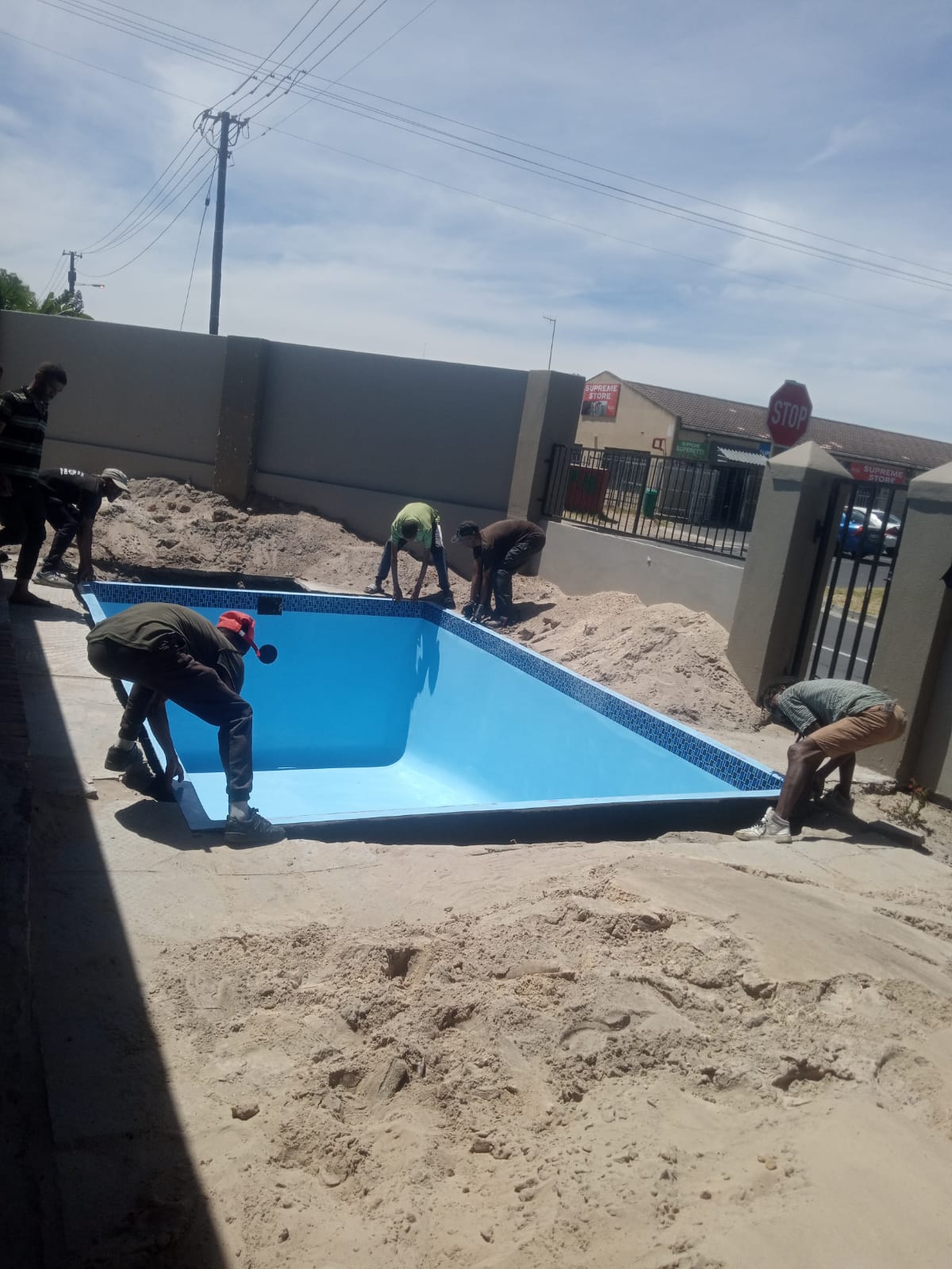
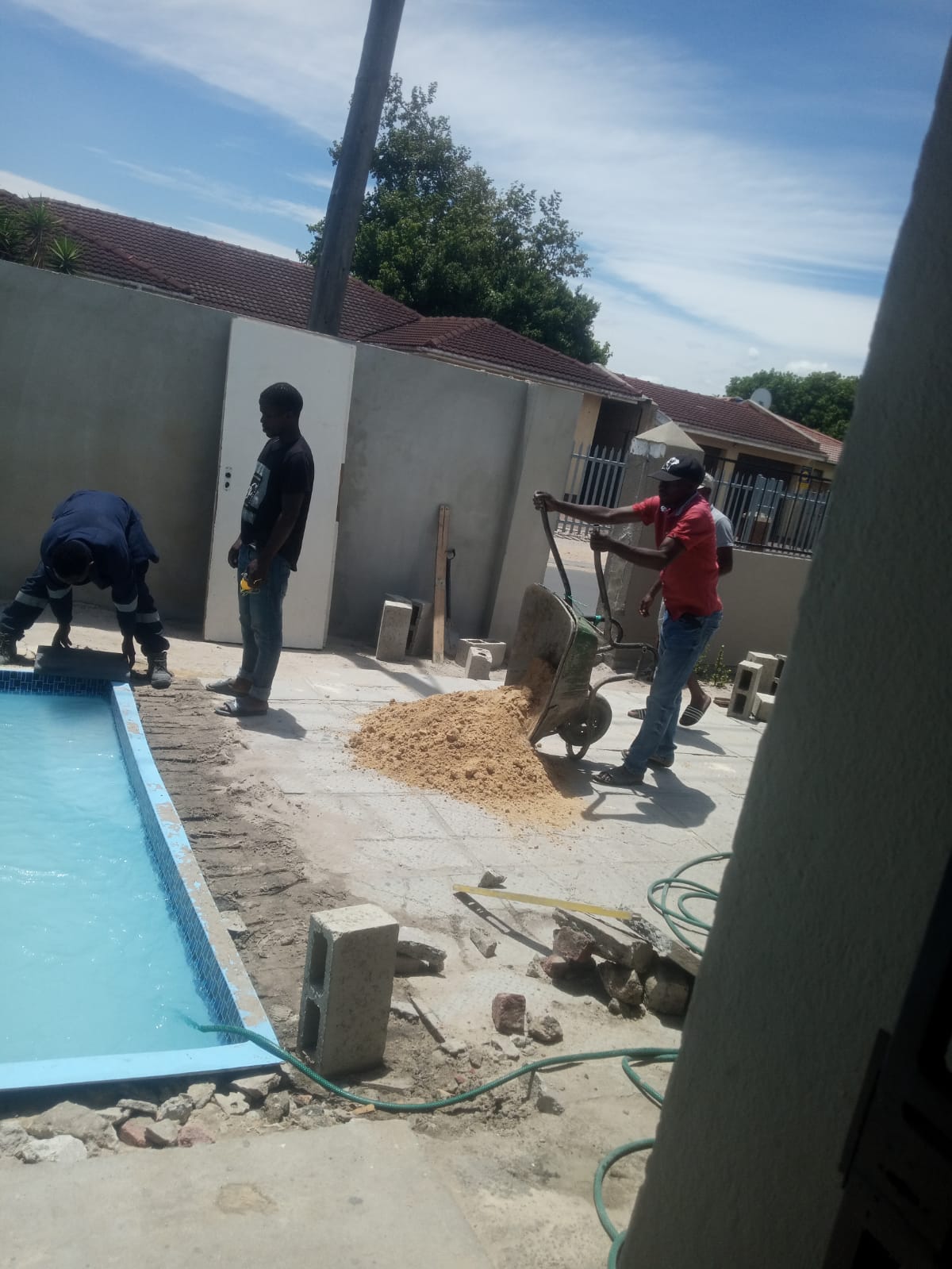
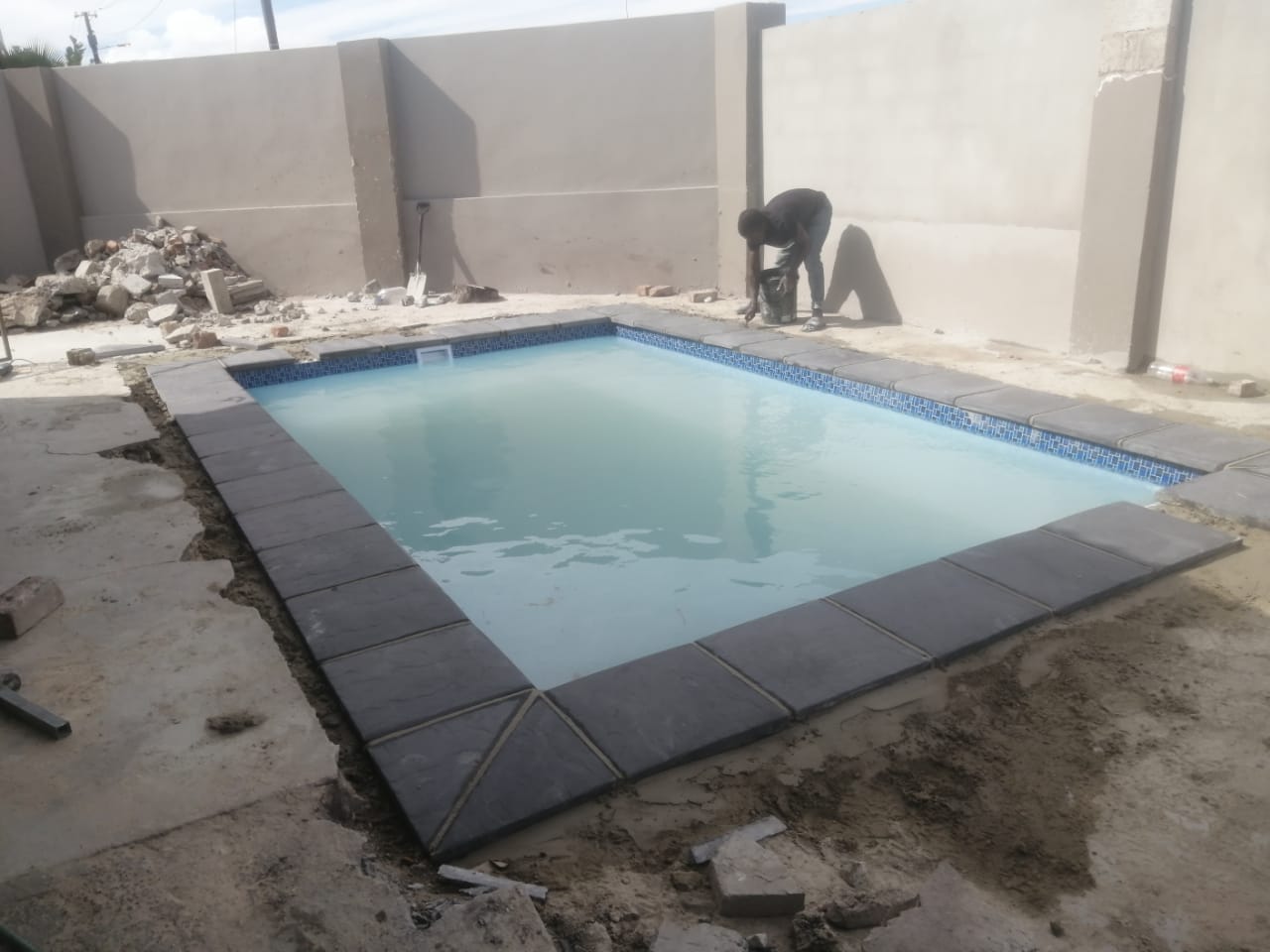
Setting out and checking levels, then excavating to shape with room to work around the shell. The bed underneath is levelled and properly compacted — a shell sitting on soft or uneven ground is the fault you cannot fix later. The shell goes in, then filling and backfilling happen together and at the same pace, so the wall is supported evenly as the water load comes on. Weir and return fittings are installed, pipework run to the pump and filter, and the filtration set commissioned and tested. Coping and the surround go on last, and the water gets its first proper balance before anyone swims. On a straightforward site the whole thing is a few days rather than a season.
What Goes Wrong When It Is Rushed
Almost every pool problem we are called out to years later traces back to the install. A shell bedded on uneven ground distorts. Backfilling ahead of the filling line pushes a wall in. Weir and return fittings fitted in a hurry are exactly where a slow leak shows up in year three, and finding it then means digging up the surround you paid for. A pump chosen bigger than the filter can handle costs money every month it runs and never filters properly. A surround laid on ground that was not compacted sinks and cracks. None of this is visible on handover day, which is why the work that gets buried is the work worth paying attention to.